Buy a property in Latvia: key points to consider
The Latvia real estate market
Are you considering buying property in Latvia? This article highlights key points to consider when planning a real estate acquisition.
The Latvian real estate market has experienced significant changes over the past two decades and is currently recognized as a leader in growth among European countries. This growth is partly because real estate prices in Latvia lag behind most other European countries. Thus, now might be an opportune time to invest in the Latvian real estate market, which is expected to eventually catch up with European prices.
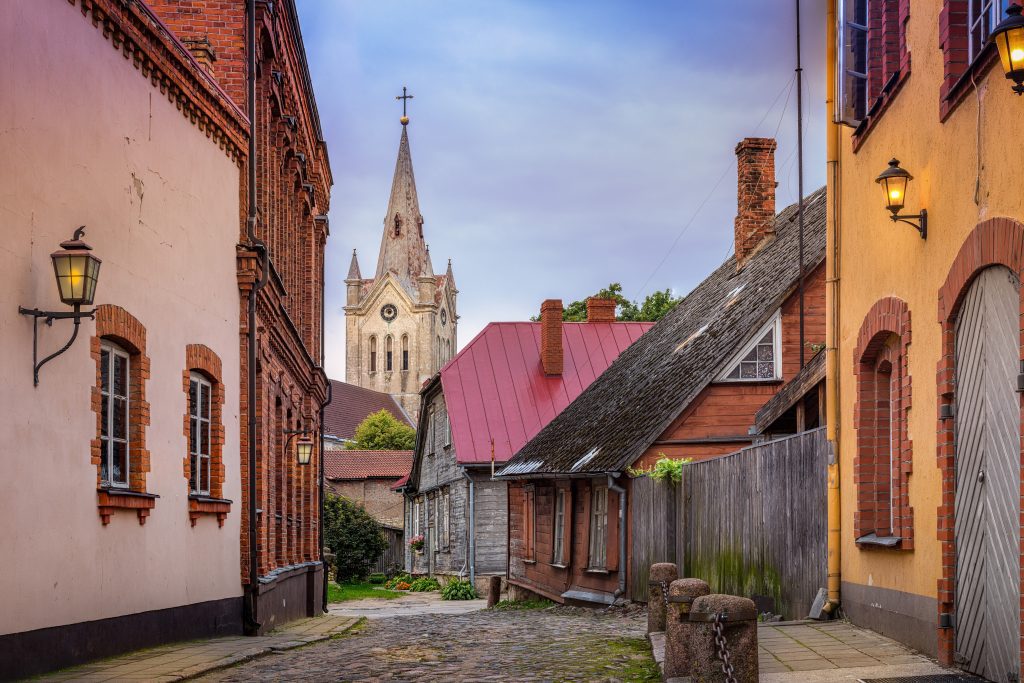
Other advantages of the Latvian real estate market include the diversity of properties, ranging from historic homes in charming rural areas to modern apartments in bustling city centers. Additionally, Latvia’s strategic location in the Baltics, proximity to Scandinavian countries, and membership in the EU and NATO enhance its appeal.
Major cities and regions
|
 |
Price trends
Real estate prices in Latvia vary based on several factors, including location, property characteristics, and market trends. Properties in Rīga and popular tourist areas like Jūrmala tend to be more expensive than those in smaller towns and rural regions. Rebuilt historical buildings, brand-new residential buildings, and luxury homes typically command higher prices.
Price fluctuations are influenced by economic conditions, such as the base interest rate, foreign investment levels, and local demand.
Foreign ownership and residence permit program
EU citizens face no restrictions on property purchases. Non-EU citizens can also buy property, though there are some restrictions on agricultural and forest land. Additionally, Latvia offers a residence permit program for non-EU investors who purchase property meeting certain value criteria, providing an added incentive for international buyers.
Legal framework
Freehold and leasehold of the property
When buying an apartment in a residential building, you should find out whether the apartment is a standalone residential property or a fraction of the property. The residential buildings usually consist of standalone apartments each of them divided into a separate ownership object.
However, in some cases, the residential building is considered a common ownership. In the latter case, you buy a fraction of the building with the right to use a particular apartment, for example, you buy 1/10 of the residential building with the right to use apartment No.1. The freehold of the standalone property is preferred to the fractional ownership, since the latter has many potential problems related to maintenance, further development and
The last option to use the property is the leasehold of the property, which, however, is not considered as a change of ownership itself, but could be used as a transitional tool, e.g. entering the lease agreement with a buy-out option.
Restrictions and permissions
While the process of buying property in Latvia is straightforward, certain restrictions and permissions apply:
- Foreign ownership: As mentioned, EU citizens can freely purchase property. Non-EU citizens can buy property but may need special permissions for agricultural and forest land.
- Zoning and planning regulations: Properties must comply with local zoning laws, which dictate land use, building types, and development standards. Buyers should verify these regulations during the due diligence process.
- Pre-emption rights – the local government sometimes has the pre-emption rights when the property is being sold. In such a case you should obtain the respective deed from the local government.
Engaging a real estate agent
While not mandatory, engaging a licensed real estate agent can simplify the process. An experienced agent can help you find suitable properties, negotiate prices, and navigate the legal requirements. Please note, however, that usually the agents represent a seller, so they are interested to offer the property they receive commission for. So it makes sense to engage several agents or reputable real estate companies to find the broader range of the real estate in the market. Ensure your agent holds the certificate with the Latvian Real Estate Association (LANIDA) to guarantee professional service.
Preliminary agreement
Once you’ve found a property which you are willing to buy, the first legal step is to sign a preliminary agreement (in latvian – “rokas naudas līgums”) with the seller. This document outlines the key terms of the sale, including the purchase price, payment terms, and deadlines. The purchaser should remit a deposit, usually around 5-10% of the purchase price. The deposit serves as the reinforcement of the obligation. If the buyer refuses from the transaction, the deposit is lost, if the seller refuses from it, it should repay the double deposit.
Due diligence of the property in Latvia
This involves verifying the property’s legal status, ensuring there are no encumbrances or legal disputes, and confirming the seller’s ownership. The due diligence is usually carried out before entering the prelimiarly agreement.
The purpose of the due diligence is to verify the seller’s ownership and check for any existing mortgages or liens on the property. Also the compliance with local zoning and planning regulations should be done, as well as assessment of the physical condition of the property.
Unauthorized building (without license) is another issue which the buyer may face. The buyer should always ask the seller to provide the documentation attesting the legality of the construction works and that all required approvals were secured. The first document which any buyer should check is the Cadastral surveying file (Kadastrālās uzmērīšanas lieta).
Purchase agreement and registration with the Land Register
This real estate purchase agreement finalizes the terms of the sale and is legally binding. Both parties typically sign this agreement in the presence of a notary public to ensure its legality, however, the parties may sign the agreement privately, as well. After signing the final agreement, the buyer must pay the remaining purchase price. This payment is usually made through a bank transfer. For this purpose usually escrow account is opened within the bank, where the buyer remits the funds.
Upon remittance of the full payment, the notary will prepare the application to the Land Register to register the new owner. This process involves submitting the above application along with the other required documents to the Land Register office.
Fees and taxes
When buying property in Latvia, be aware of additional costs and taxes:
- Notary Fees: Fees for notarizing documents.
- Registration Fees: Land Register registration fee (about 2% of the purchase price).
- Legal Fees: Fees for legal advice and due diligence services.
- Real Estate Tax: Annual real estate tax, which varies depending on the property’s value and location.
If you buy the property as an investment intended for resale, the capital gains will be subject to 20% personal income tax, unless specific criteria are met. More information regarding the tax-effective investment in real estate you will find here.